
Tomorrowland Comes to Asia! The Ultimate Indian Guide to Tomorrowland Thailand 2026

The wait is finally over! The world’s biggest electronic music festival is landing in our neighborhood. Tomorrowland has officially confirmed its first-ever Southeast Asian edition in Thailand, and it is happening in December 2026.

For us in India, this is the best news possible. No more long-haul flights to Belgium or expensive Schengen visas. The magic is now just a 4-hour flight away! Here is everything you need to know to secure your spot at Wisdom Valley.

📅 Key Dates & Venue

Festival DatesDecember 11, 12, & 13, 2026
LocationWisdom Valley, Chon Buri (near Pattaya)
Pre-Registration OpensNOW OPEN (Started Jan 8, 2026)
Hotel Package SaleFebruary 28, 2026
Worldwide Ticket SaleMarch 7, 2026

🎟️ Ticket Prices (Estimated for Indians)
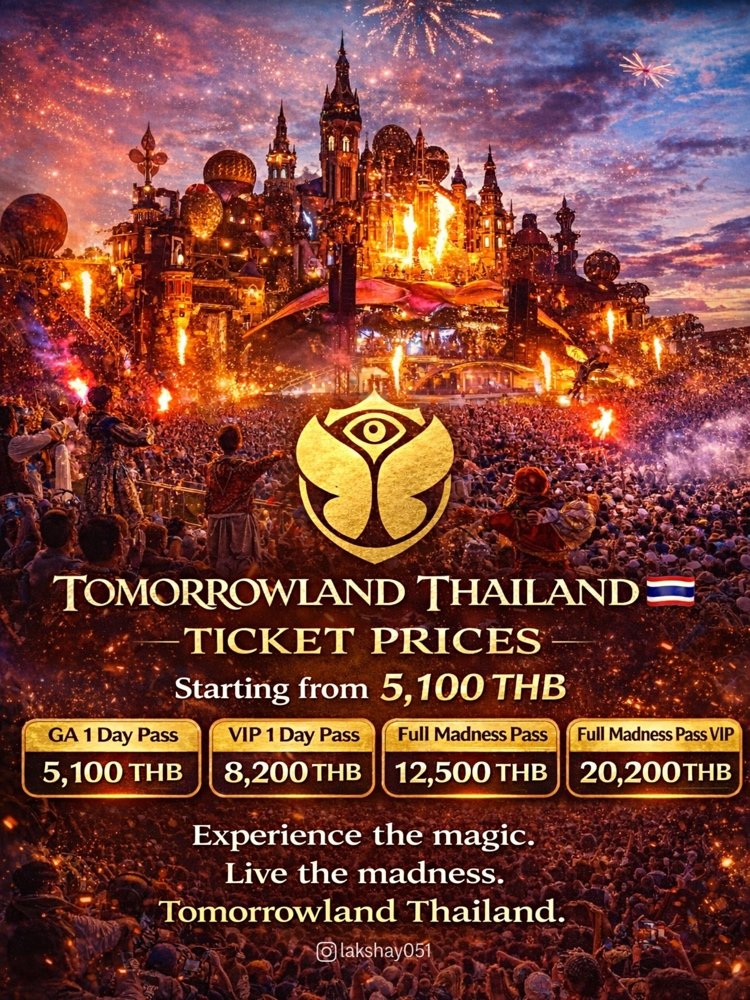
Unlike the Belgium edition, the Thailand edition is significantly more affordable for Indian wallets. Prices are released in Thai Baht (THB), but we have converted them to INR for your convenience (estimates based on current exchange rates).


Day Pass (1 Day): 5,100 THB (approx. ₹12,800 INR)

Full Madness Pass (3 Days): 12,500 THB (approx. ₹31,500 INR)

VIP Day Pass: 8,200 THB (approx. ₹20,500 INR)

VIP Full Madness (3 Days): 20,200 THB (approx. ₹50,800 INR)


*Note: Exchange rates fluctuate. Always budget a little extra for transaction fees.

🚀 How to Get Tickets: Step-by-Step for Indians

Buying tickets for Tomorrowland is a competitive sport! Follow these exact steps to maximize your chances:

Step 1: Pre-Register Immediately

You cannot buy a ticket unless you pre-register. Go to the official Tomorrowland Account page and create an account. If you already have one, log in and click “Register for Tomorrowland Thailand 2026.”

Step 2: Choose Your Sale Type

  • Hotel Packages (Recommended): Sale starts Feb 28, 2026. These include your festival ticket, hotel stay in Pattaya/Chon Buri, and daily shuttles. This is the easiest way to secure a ticket because they sell out slower than “ticket-only” options.
  • Worldwide Ticket Sale: Sale starts March 7, 2026. These are just the festival passes. They will likely sell out in minutes.

Step 3: The “Queue”

On the sale day, log in 15 minutes early. When the sale starts, do not refresh your page. You will be placed in a virtual queue. Once you get in, you have limited time to pay.

💡 Pro Tip for Indians: Ensure your Credit/Debit card has International Transactions enabled and a high enough limit for the purchase!

🇹🇭 Why Thailand is Perfect for Indian Fans

1. Visa Ease:
Thailand has extended its Visa-Free entry for Indians through 2026 (subject to final government confirmation closer to dates). Even if that changes, Visa-on-Arrival is always an easy option.

2. Flight Connectivity:
Direct flights run daily from Delhi, Mumbai, Bengaluru, Kolkata, and Hyderabad to Bangkok (Suvarnabhumi). From Bangkok, the venue (Wisdom Valley) is just a 1.5 to 2-hour drive.

3. Food & Comfort:
Unlike camping in Belgium which can be cold and rainy, you will be staying in hotels in Pattaya or Chon Buri. Plus, Thai food (and plenty of Indian food options in Pattaya) makes dietary comfort easy.

✈️ Crafted Vacays Packages

Don’t want the stress of fighting for tickets online? We are curating exclusive “Land of Smiles x Tomorrowland” packages.

  • The Party Package: 3-Day Festival Pass + 4 Nights Hotel in Pattaya + Daily Transfers.
  • The Explorer Package: 3-Day Festival + 3 Days in Bangkok for shopping and recovery.

Interested? Reply to this post or WhatsApp us today to get on our Priority List for Tomorrowland Thailand 2026!
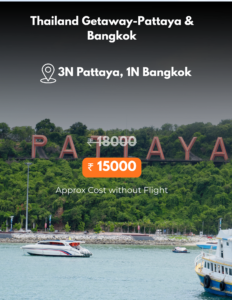
Trending Thailand Packages from Crafted Vacays

Vietnam’s New “Super Airport” Comes to Life: Inside the Historic First Flight at Long Thanh

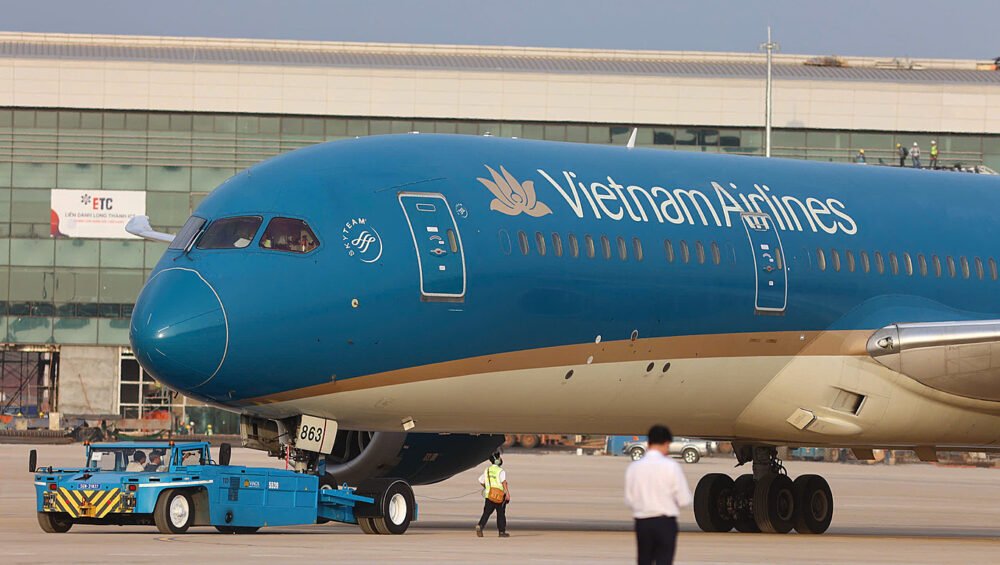
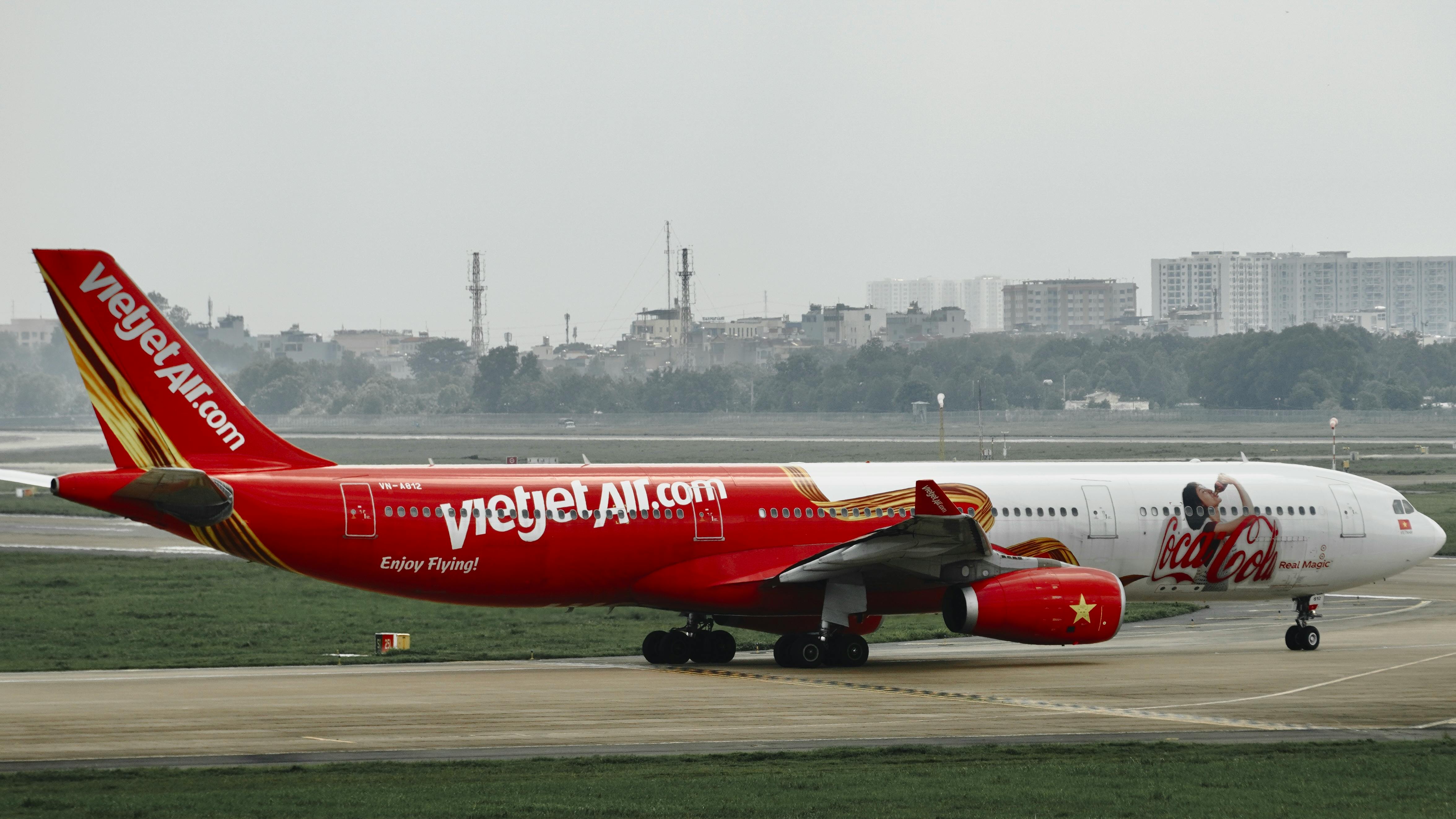
The future of travel in Southeast Asia just got a lot closer. On the afternoon of December 15, 2025, aviation history was written in the skies of Dong Nai Province. A Boeing 787 Dreamliner—the largest wide-body aircraft in Vietnam’s fleet—gracefully touched down on the runway of the highly anticipated Long Thanh International Airport.

For travel enthusiasts and industry watchers, this wasn’t just a test flight; it was the unveiling of a new era. At [Your Travel Agency Name], we are closely monitoring these developments to bring you the best future travel experiences. Here is a deep dive into what happened and why this new airport is set to change the game for tourism in Vietnam.

The Historic Touchdown: Flight VN5001

The atmosphere was electric as Flight VN5001 departed from Tan Son Nhat International Airport in Ho Chi Minh City and made its way to Long Thanh. This was a “technical test flight,” a critical exam for any new airport.

Touching down at exactly 4:00 PM, the aircraft carried flight crew and technical experts rather than tourists. Their mission? To rigorously validate the airport’s core infrastructure under real-world conditions. The test successfully evaluated:

  • Runway & Taxiway Systems: Ensuring the tarmac can handle the weight and span of modern wide-body jets.
  • Navigation & Communication: Testing the ILS/DME (Instrument Landing Systems) to guarantee safety even in bad weather.
  • Ground Operations: From lighting systems to aircraft handling procedures.

Upon landing, the aircraft was greeted with a ceremonial water salute—a traditional aviation honor—before taxiing to the terminal. Following this success, three more official flights from Vietnam Airlines, Vietjet Air, and Bamboo Airways are scheduled to land on December 19, marking the simultaneous inauguration of key national projects.

Why Long Thanh is Vietnam’s “Super Airport”

Long Thanh isn’t being built just to replace capacity; it’s being built to compete with global heavyweights like Changi (Singapore) and Suvarnabhumi (Thailand). The Vietnamese government has explicitly directed that Long Thanh be developed into Southeast Asia’s leading aviation hub.

TheDesignAir –Ho Chi Minh's newest super-hub airport Long Thanh, in Vietnam starts construction
The lotus-inspired terminal design represents Vietnamese culture on a grand scale. 

The Lotus Design

The passenger terminal is an architectural marvel. Inspired by the lotus flower, Vietnam’s national flower, the design blends cultural heritage with futuristic functionality. It promises to offer a passenger experience that is airy, modern, and efficient—a stark contrast to the often crowded terminals travelers might be used to.

Massive Scale & Capacity

The numbers behind this project are staggering. The project is split into phases to ensure sustainable growth:

FeaturePhase 1 (Opening 2026)Future Vision (Post-2035)
Passenger Capacity25 Million / Year100 Million / Year
Cargo Capacity1.2 Million Tons5 Million Tons
Key Infrastructure1 Runway, 1 TerminalMultiple Runways & Terminals

Beyond the Airport: An “Airport City” in the Making

One of the most exciting aspects of Long Thanh is the development of the surrounding area. The province is planning an “Airport City” that will include logistics hubs, industrial parks, and potentially a free trade zone.

“It is not merely a modern airport, but also a strategic lever, a breakthrough source of momentum, and a symbol of Dong Nai Province’s international integration.”
— Nguyen Kim Long, Vice-Chairman of Dong Nai People’s Committee

Better Connectivity for Travelers

For our clients, the most important question is: “How do I get there?” The government is fast-tracking several major transport projects to ensure the airport is accessible:

  • Expressways: The Bien Hoa–Vung Tau and Ben Luc–Long Thanh expressways are being accelerated. This means faster transfers to popular beach destinations like Vung Tau without passing through Ho Chi Minh City traffic.
  • Metro Lines: Plans are underway for a light rail line connecting Thu Thiem directly to Long Thanh, ensuring a smooth link to the city center.

What’s Next? The Road to 2026

While the successful test flight is a cause for celebration, we still have a little time before we can book your tickets through Long Thanh.

  1. December 19, 2025: Official Inauguration Ceremony with three commercial aircraft.
  2. Q1 2026: Continued system calibration and expansion tasks (including planning for a second runway).
  3. Mid-2026: Official Commercial Operations begin!

At Crafted Vacays, we are already preparing for this shift. Long Thanh International Airport will open up new routes, reduce congestion, and provide a world-class welcome to this beautiful country. Whether you are planning a family vacation or a corporate retreat, the future of travel to Vietnam is looking brighter than ever.


Planning a trip to Vietnam for late 2026? Contact us today to learn more about upcoming packages that will take advantage of this new aviation hub!

Trending Packages from Crafted Vacays

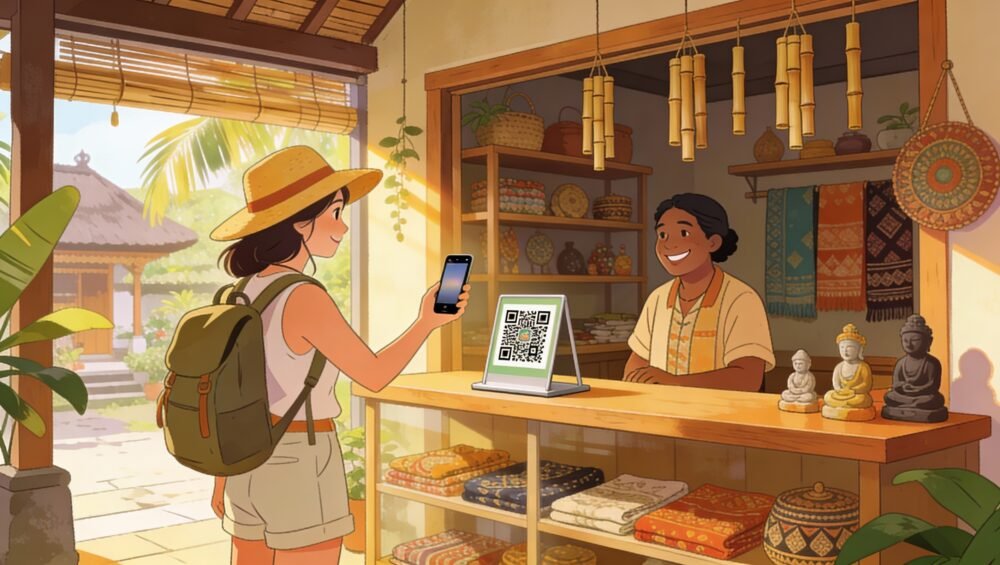
Tourist scanning QR in Bali Shop

💳 Bali Goes Cashless: International Tourists Can Now Pay Everywhere With a Single Digital Wallet

Bali introduces the new Indonesia Tourist Travel Pack (ITTP) to simplify payments for international visitors.

If you are travelling to Bali, say goodbye to hunting for currency exchange counters. International tourists can now use a single digital wallet linked to QR codes for payments at restaurants, shops, and attractions across the island.

The introduction of the new Indonesia Tourist Travel Pack (ITTP) simplifies checkouts, makes those spontaneous beach days more enjoyable, and eases your entire experience in local hubs as Bali moves deeper into digital-first travel.

Bali Introduces New Tourist Pack For Cashless Travel

Bank Indonesia has launched the ITTP specifically to make transactions easier for the millions of visitors arriving each year, reducing the constant reliance on physical cash.

The ITTP is a comprehensive package that brings multiple services together:

  • A chip-based digital wallet linked to QRIS (Quick Response Code Indonesian Standard).
  • A SIM card with data and a local mobile number.

This system allows tourists to pay instantly by simply scanning QR codes at hotels, restaurants, shops, and tourist attractions. As Fillianingsih Hendarta, Deputy Governor of Bank Indonesia, noted, the initiative aims to strengthen Indonesia’s image as a visitor-friendly destination where “Ease of transactions is an important part of the tourism experience.”

Seamless Start: To support the rollout, a Tourism Information Centre has been opened at I Gusti Ngurah Rai International Airport. Arriving travellers can set up their digital wallet, receive assistance, and access the QRIS Nusantara Tourism Guidebook, which lists all the places that accept QRIS payments.

QRIS Payments Surge Across Bali — Even in Cultural Hubs

The shift towards digital payments is already accelerating. QRIS usage has risen sharply, with nearly one million merchants accepting QR-based payments during the first half of 2025. This surge is not limited to the popular coastal strips:

  • Widespread Adoption: Small rural shops, home-run kiosks, and temple stalls in cultural centres like Ubud and Penglipuran have also adopted the system, offering tourists consistency in how they spend.
  • International Access: Visitors from countries like China, Japan, and Singapore can often use their existing digital wallets through cross-border QRIS features, further expanding access for travellers from Asia.

Boosting MSMEs with Digital Transactions

A major benefit of this cashless push is the support it provides to micro, small, and medium enterprises (MSMEs), which are the foundation of Bali’s tourism chain. The move ensures improved financial inclusion and more transparent, trackable transactions.

As QR codes become standard across craft shops, independent food stalls, and local markets, MSMEs can engage more confidently and effectively with a global clientele accustomed to digital-first spending.

As one of Asia’s most visited destinations, Bali’s embrace of the ITTP and cashless systems places the island in line with modern traveller expectations, setting a new standard for a seamless, mobile-based travel experience.

Trending Packages from Crafted Vacays

Best Time to Visit Thailand: Climate Guide & Seasonal Travel Tips

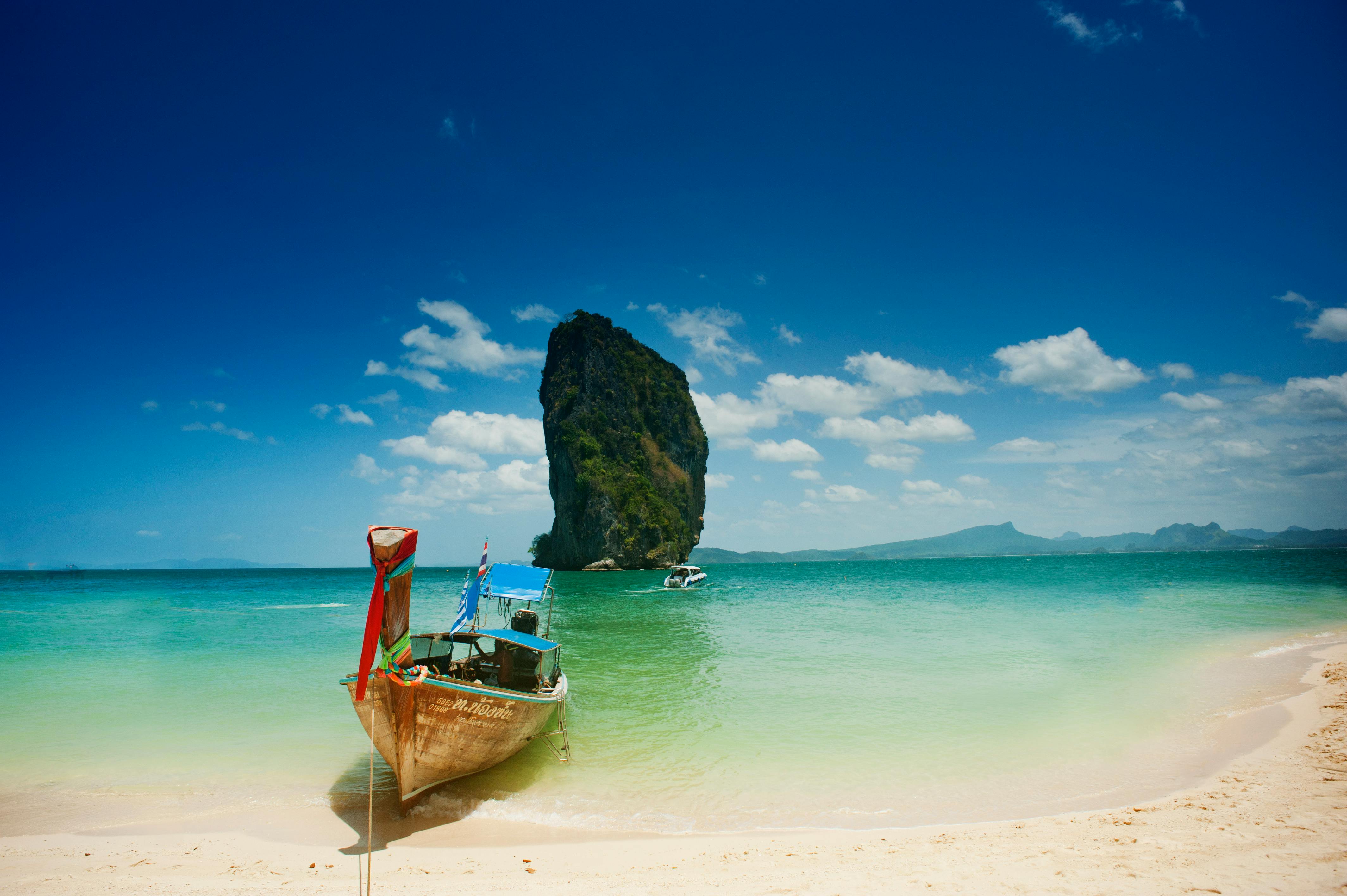
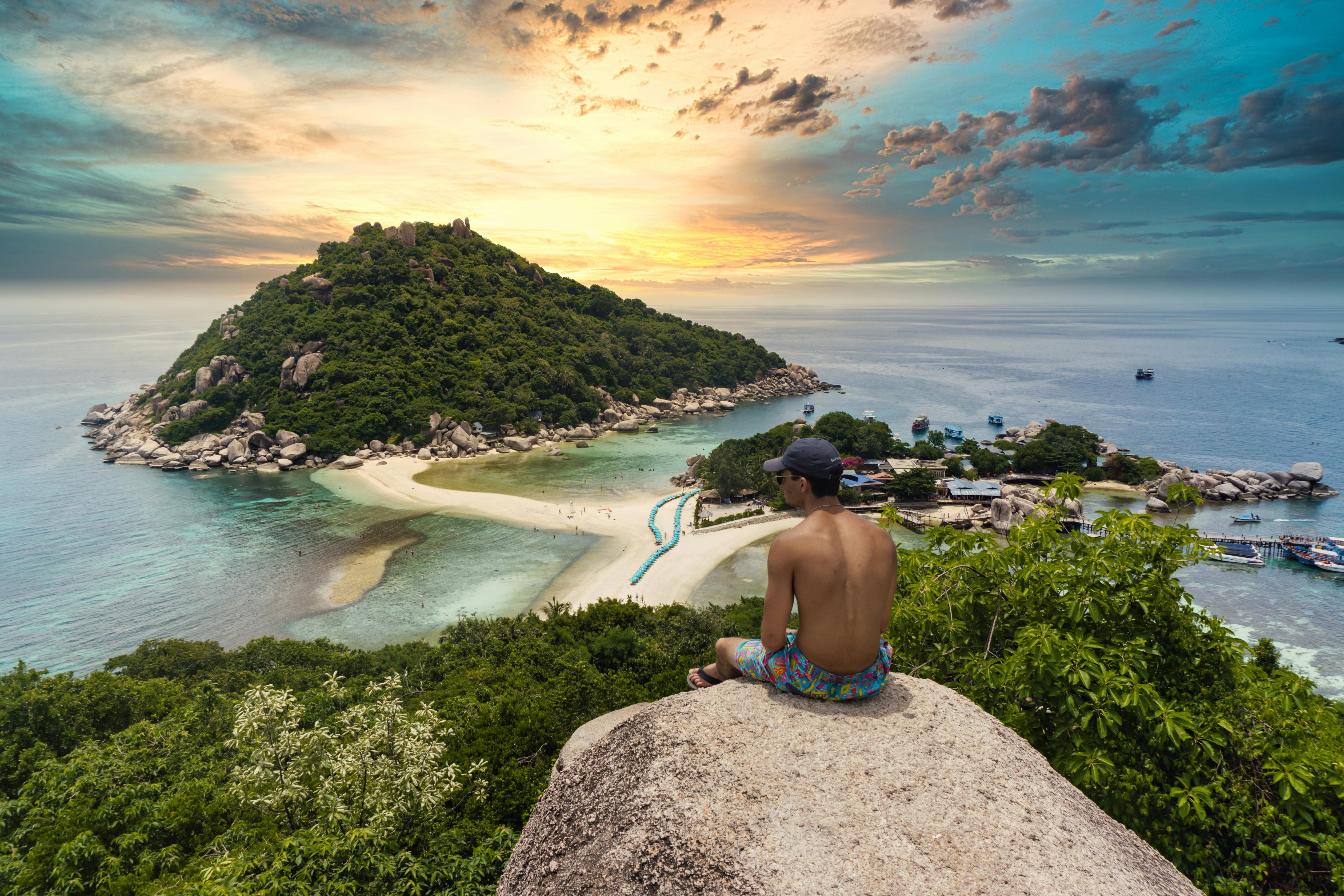
Thailand is one of Southeast Asia’s most popular travel destinations, known for its tropical beaches, historic temples, vibrant cities, lush jungles and colourful festivals. While Thailand can be visited throughout the year, choosing the right season can greatly improve your travel experience. This guide explains Thailand’s weather patterns, seasonal highlights and regional differences to help you plan the perfect trip.


🌤️ Thailand’s Climate and Weather Overview

Thailand has a tropical climate influenced by monsoon winds. The year is generally divided into three main seasons: the cool and dry season, the hot season, and the rainy (monsoon) season. Each season offers a different travel experience depending on weather, crowd levels and costs.


❄️ Cool and Dry Season (November to February)

The period from November to February is widely considered the best time to visit Thailand. During these months, the weather is mostly dry, temperatures are comfortable and humidity levels are lower compared to the rest of the year. This makes it ideal for sightseeing, beach holidays, outdoor adventures and cultural exploration.

  • Weather: Pleasant daytime temperatures ranging roughly between 20°C and 30°C.
  • Best for: Beaches, city sightseeing, trekking and outdoor activities.
  • Travel tip: This is peak tourist season, so flights and hotels tend to be more expensive and should be booked in advance.

🔥 Hot Season (March to May)

From March to May, Thailand experiences its hottest months. Temperatures can rise significantly, especially in inland areas and major cities. Despite the heat, this season is still popular for beach holidays and island travel, as sea conditions are generally calm and skies are mostly clear.

  • Weather: Hot and sunny, with temperatures often exceeding 30°C.
  • Best for: Beach lovers, water activities and travelers seeking fewer crowds.
  • Highlight: Songkran, the Thai New Year festival in April, brings lively water celebrations across the country.

☔ Rainy or Monsoon Season (June to October)

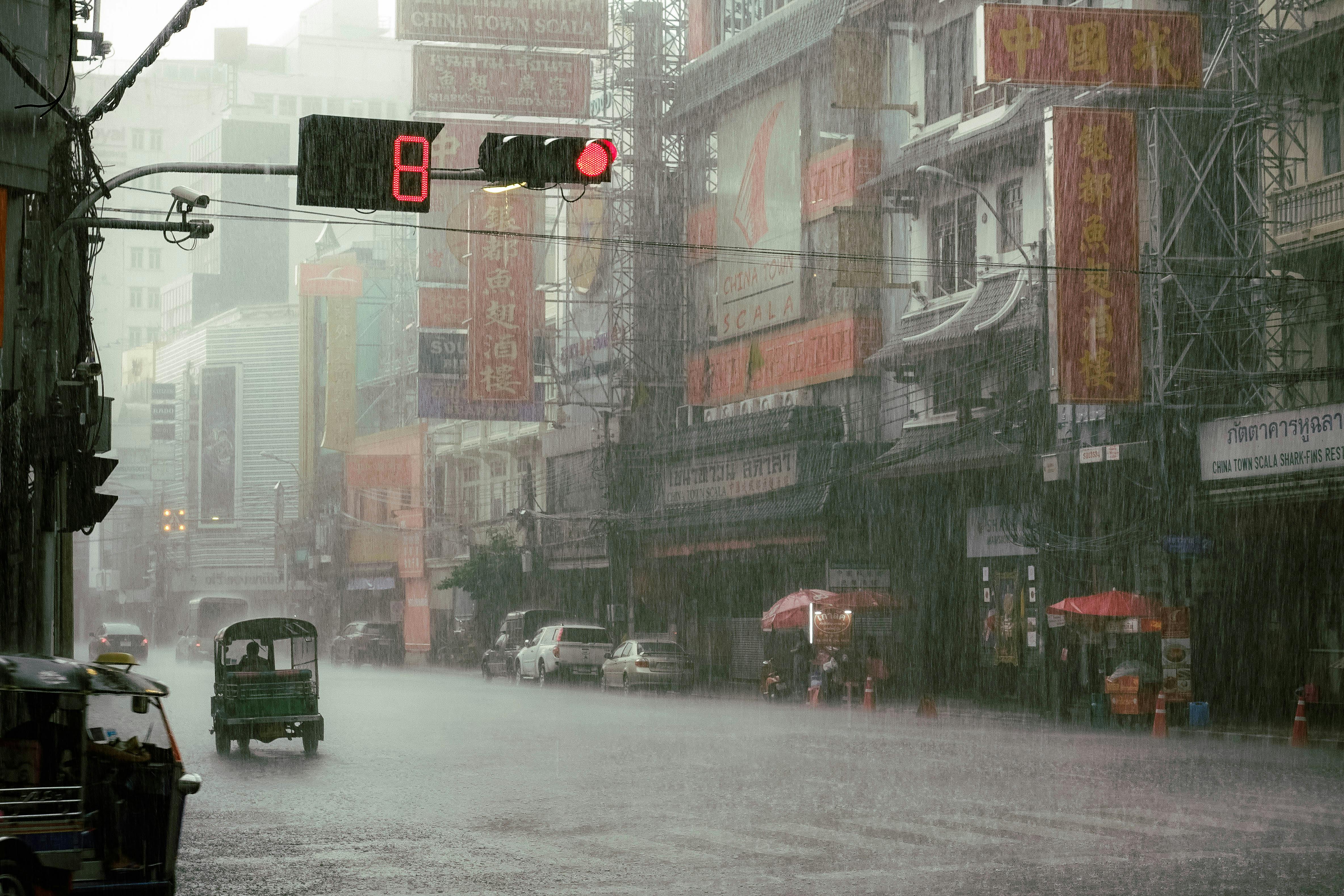
The rainy season in Thailand typically runs from June to October. Rainfall is more frequent during this time, but it usually comes in short, heavy showers rather than continuous rain throughout the day. The countryside becomes lush and green, and tourist numbers are generally lower.

  • Weather: High humidity with regular tropical rain showers.
  • Best for: Budget travelers, nature lovers and those who prefer quieter destinations.
  • Note: Some island ferry services and boat tours may be limited during periods of rough seas.

📅 Best Months to Visit Thailand at a Glance


Months Weather Ideal For
November – February Cool and dry Sightseeing, beaches, outdoor activities
March – May Hot and sunny Beach holidays, festivals
June – October Rainy / monsoon Budget travel, green landscapes


📍Regional Weather Tips

Thailand’s weather can vary by region, so it helps to plan your itinerary according to seasonal conditions.

  • Bangkok and Central Thailand: Most comfortable from November to February for city tours and cultural attractions.
  • Northern Thailand (Chiang Mai and Chiang Rai): Cooler temperatures in winter months make it ideal for trekking and outdoor exploration.
  • Andaman Coast (Phuket, Krabi): Best beach conditions usually occur between December and March.
  • Gulf Islands (Koh Samui, Koh Phangan): Often experience good weather for longer periods compared to the west coast.

🎉 Festivals and Seasonal Experiences

Timing your visit around local festivals can add a unique cultural dimension to your trip.

  • Songkran Festival: Celebrated in April, marking the Thai New Year with nationwide water celebrations.
  • Loy Krathong: Usually held in November, featuring floating lanterns and candlelit offerings.

✈️ Travel Tips by Season

  • Peak season travel: Book flights and accommodation early when traveling between November and February.
  • Shoulder seasons: March to May and September to October often offer better prices with manageable weather.
  • Monsoon travel: Pack rain gear and keep plans flexible, especially for island hopping.

🌴Final Thoughts

Thailand is a year-round destination, but for most travelers, the best time to visit is between November and February when the weather is dry, temperatures are comfortable and outdoor activities are at their best. No matter when you choose to travel, careful planning based on the season will help you make the most of your Thailand experience.

Planning a trip to Thailand but not sure when to go? Thailand’s tropical climate, diverse regions and vibrant culture mean weather varies around the country. Understanding the seasons will help you avoid heavy rains, enjoy festive events, save on travel costs and choose the most comfortable months for your activities. This complete travel guide breaks down the best time to visit Thailand based on weather, crowds, events and regional differences.


Trending Packages from Crafted Vacays

Southeast Asia Travel 2025: Trends, Highlights & Top Places to Explore

Southeast Asia is rapidly evolving into one of the world’s most exciting travel regions in 2025. From Malaysia’s surge in international visitors to Vietnam’s growing cultural appeal and Thailand’s enduring classics, the region now offers unmatched diversity for all traveler types — whether you’re chasing culture, beaches, cuisine, or unforgettable experiences.


🌏 Why Southeast Asia Is Trending in 2025

Tourism data from early 2025 shows Malaysia overtaking Thailand as the most visited destination in Southeast Asia, driven by relaxed visa access, improved flight connections, and a wider range of experiences — from urban city culture to island adventures.

Vietnam and Thailand continue to draw millions of travelers each year, with Vietnam especially gaining traction for its cultural cities and natural landscapes. The ease of intra-region flights and multi-city itineraries is empowering travelers to explore more than one country in a single trip — turning Southeast Asia into the perfect multi-destination travel zone for 2025.


📍 Top Must-Visit Destinations in Southeast Asia

🇲🇾 Malaysia — Culture, Cities & Nature

  • Kuala Lumpur: A dynamic capital with iconic skylines and vibrant food markets.
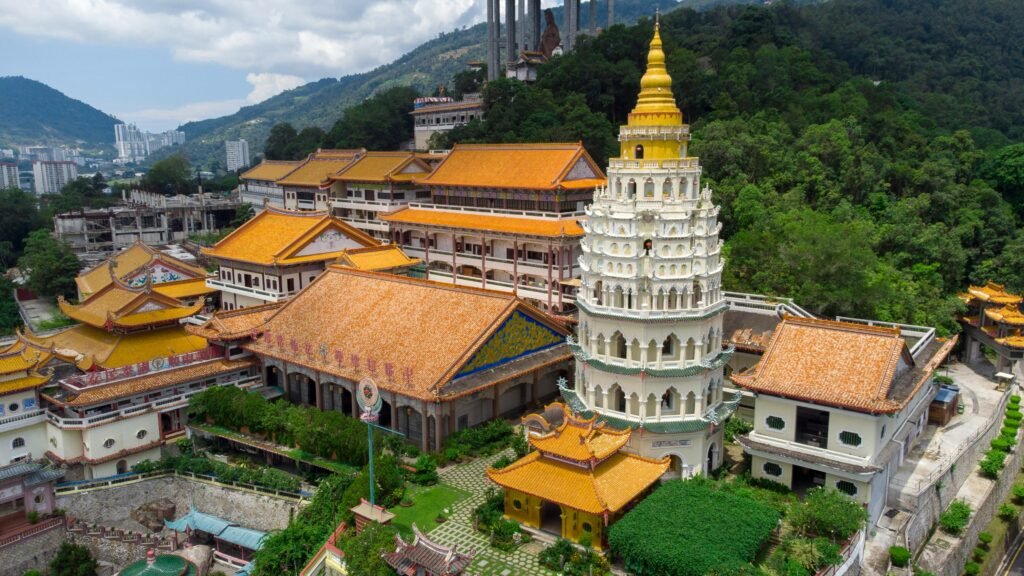
  • Penang: Renowned for heritage streets, vibrant murals, and coastal drinks at sunset. :
  • Sabah & Borneo: Nature, wildlife and eco-adventures.

🇻🇳 Vietnam — Tradition Meets Nature

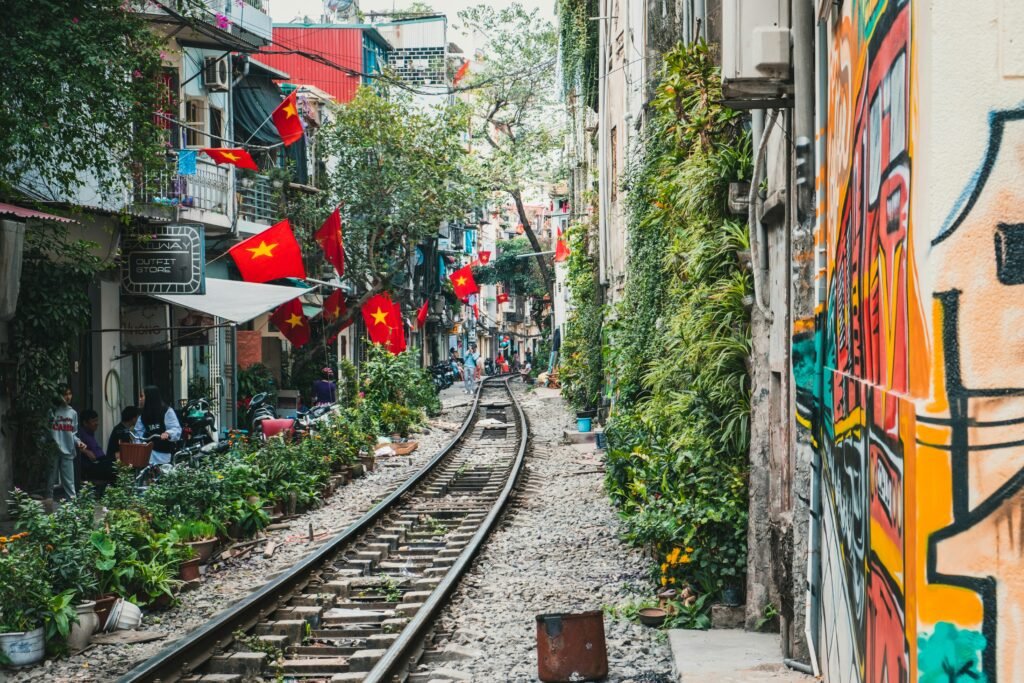
  • Hanoi & Ho Chi Minh City: Historic streets, bustling markets, legendary food.
  • Ha Long Bay: Dramatic limestone karsts and breathtaking cruises.
  • Hoi An: Lantern nights, riverfront vibes and old-world charm.

🇹🇭 Thailand — Classic Southeast Asian All-Rounder

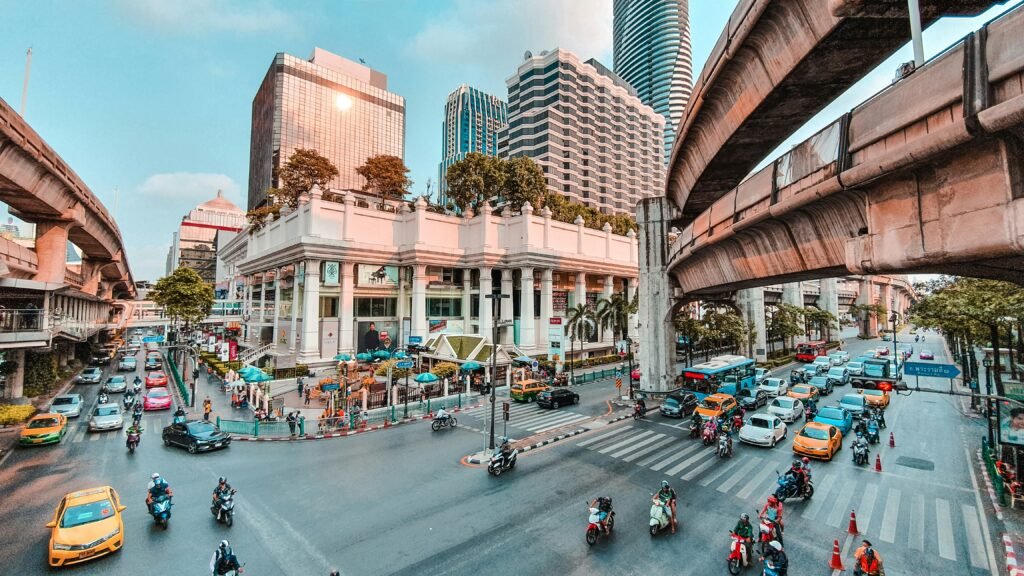
  • Bangkok: Temple streets, floating markets, epic food culture.
  • Islands & Beaches: Sun, sand and classic Thai hospitality in Phuket, Krabi and beyond.

📈 Key Travel Trends in 2025

  • Social & Visual-Driven Planning: Travelers are increasingly choosing destinations from social platforms and reels.
  • Shorter, High-Impact Trips: Multi-city or multi-country regional trips are trending over long single-destination stays.
  • Culture & Experience Priority: Food tours, local markets, heritage walks, eco stays and community tourism are becoming travel essentials.

✈️ Practical Tips for Travelers

  • Plan multi-city routes: Arrive in one country and depart from another to save time and see more.
  • Consider seasons: November to March is a good weather window for most of the region.
  • Pack smart: Southeast Asia offers city streets, beaches, rainforests and highlands — all in one trip.

📷 Final Thoughts

Southeast Asia in 2025 is more than just a bucket-list destination — it’s a multi-layered travel ecosystem. Malaysia’s rise, Vietnam’s fast growth, and Thailand’s classic appeal make the region deeply compelling for cultural explorers, adventure seekers, families and luxury travelers alike.

Ready to plan your next Crafted Vacays adventure? Southeast Asia awaits!

Trending Packages from Crafted Vacays

Two countries leading the 2025 tourism story

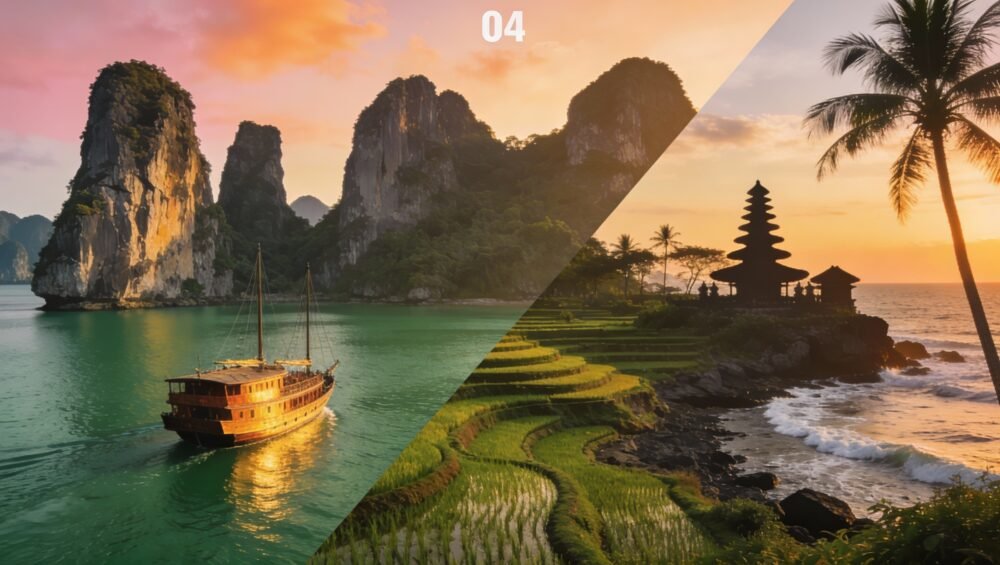
Vietnam and Indonesia are quietly becoming the power duo of Southeast Asia travel in 2025, with rising visitor numbers, new routes and a growing reputation for authentic, nature‑rich experiences. Both countries are at the heart of the region’s tourism rebound, drawing travellers who want more than just beaches and shopping streets.

Two countries leading the 2025 tourism story

Recent tourism reports show that Vietnam and Indonesia are among the strongest performers in Southeast Asia’s post‑pandemic recovery, welcoming millions of international visitors as confidence in long‑haul travel returns. [web:24][web:36] Their success is fuelled by better infrastructure, easier access and a clear focus on culture, food and nature‑based travel. 

For travellers, this means more choice, more value and more routes that make it simple to build multi‑city or even multi‑country holidays without complicated transit plans. 

Vietnam’s remarkable comeback

Vietnam’s tourism sector has bounced back strongly, with international arrivals crossing the 9‑million mark by mid‑2025 and continuing to climb. Relaxed entry rules, expanded e‑visa options and carefully promoted cultural routes have made it easier than ever to experience the country’s mix of old‑world charm and modern energy. 

Travellers are rediscovering Hanoi’s lakes and coffee culture, cruising through Ha Long–style bays, wandering lantern‑lit streets in heritage towns, and diving into the street‑food scenes of cities like Ho Chi Minh City and Da Nang. 

Vietnam feels “new” again in 2025 – familiar destinations are pairing upgraded infrastructure with more curated cultural and food experiences, making short trips feel richer and more varied than before. 
Indonesia beyond Bali

Indonesia, meanwhile, continues to attract strong visitor growth, with foreign arrivals rising at a healthy pace and reinforcing its role as a heavyweight in Southeast Asian tourism.  Bali remains the most famous name, but national tourism campaigns are increasingly nudging travellers toward cultural hubs in Java and lesser‑known islands for a deeper look at the country’s diversity. 

Volcanic landscapes, terraced rice fields, temple complexes and small coastal towns are all becoming more visible in itineraries, supported by improved infrastructure and a stronger emphasis on eco‑tourism and community‑based travel. 

New routes tightening the web of connections

The rise of Vietnam and Indonesia is closely linked to better connectivity, with airlines adding new services to match the surge in demand. Vietnam Airlines, for example, is rolling out routes such as a direct Ho Chi Minh City–Copenhagen flight and a Hanoi–Cebu link, strengthening Vietnam’s role as a hub between Southeast Asia, Europe and the wider Asia‑Pacific region. 

For travellers, this translates into more one‑stop and nonstop options into Southeast Asia, competitive fares on popular leisure routes and easier combinations that link Vietnam’s cities and bays with Indonesia’s islands in a single holiday. 

Who should put Vietnam & Indonesia on the list?

Vietnam is ideal for travellers who like dense, high‑impact itineraries: historic quarters, dramatic bays, night markets and café culture all fit comfortably into a one‑week route.  Indonesia, on the other hand, is perfect for slow, scenic escapes with a focus on beaches, rice terraces, temples and open‑air landscapes. 

Together, they form a powerful combination for 2025: one country delivers compact cultural and food‑driven journeys, while the other provides wide‑open island scenery and resort‑style relaxation, all within a flight or two of each other. 

  • Choose Vietnam if you enjoy city walks, cafĂŠs, street food and easy access to iconic landscapes. 
  • Choose Indonesia if you want beaches, volcano views, island‑hopping and long, lazy days by the pool. 
  • Combine both if you have 9–12 days and want one trip that balances culture, food and tropical downtime. 

As airlines keep adding routes and both countries invest further in tourism infrastructure and sustainability, Vietnam and Indonesia are set to remain the standout choices for travellers looking at Southeast Asia in and beyond 2025.Â