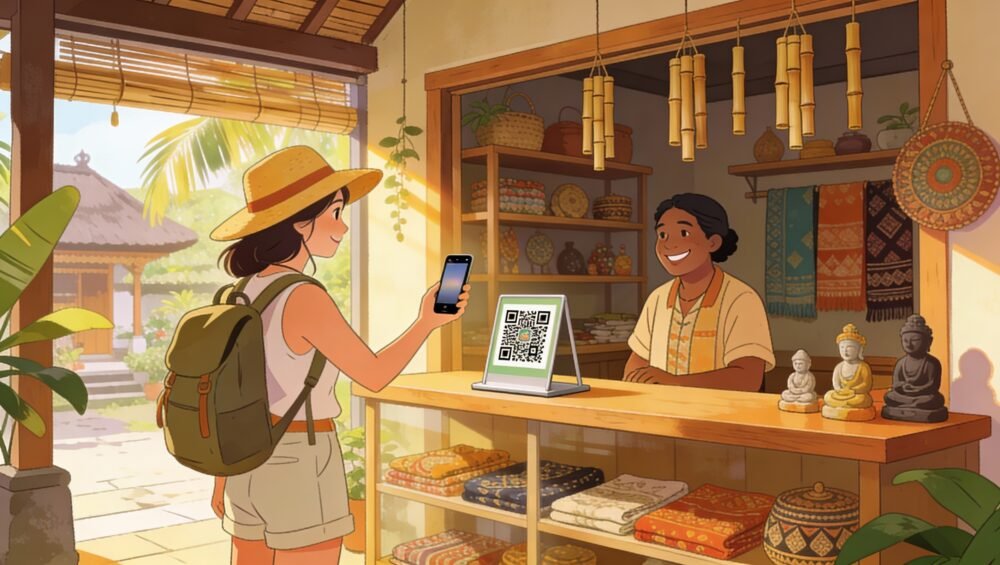
Tourist scanning QR in Bali Shop

đź’ł Bali Goes Cashless: International Tourists Can Now Pay Everywhere With a Single Digital Wallet

Bali introduces the new Indonesia Tourist Travel Pack (ITTP) to simplify payments for international visitors.

If you are travelling to Bali, say goodbye to hunting for currency exchange counters. International tourists can now use a single digital wallet linked to QR codes for payments at restaurants, shops, and attractions across the island.

The introduction of the new Indonesia Tourist Travel Pack (ITTP) simplifies checkouts, makes those spontaneous beach days more enjoyable, and eases your entire experience in local hubs as Bali moves deeper into digital-first travel.

Bali Introduces New Tourist Pack For Cashless Travel
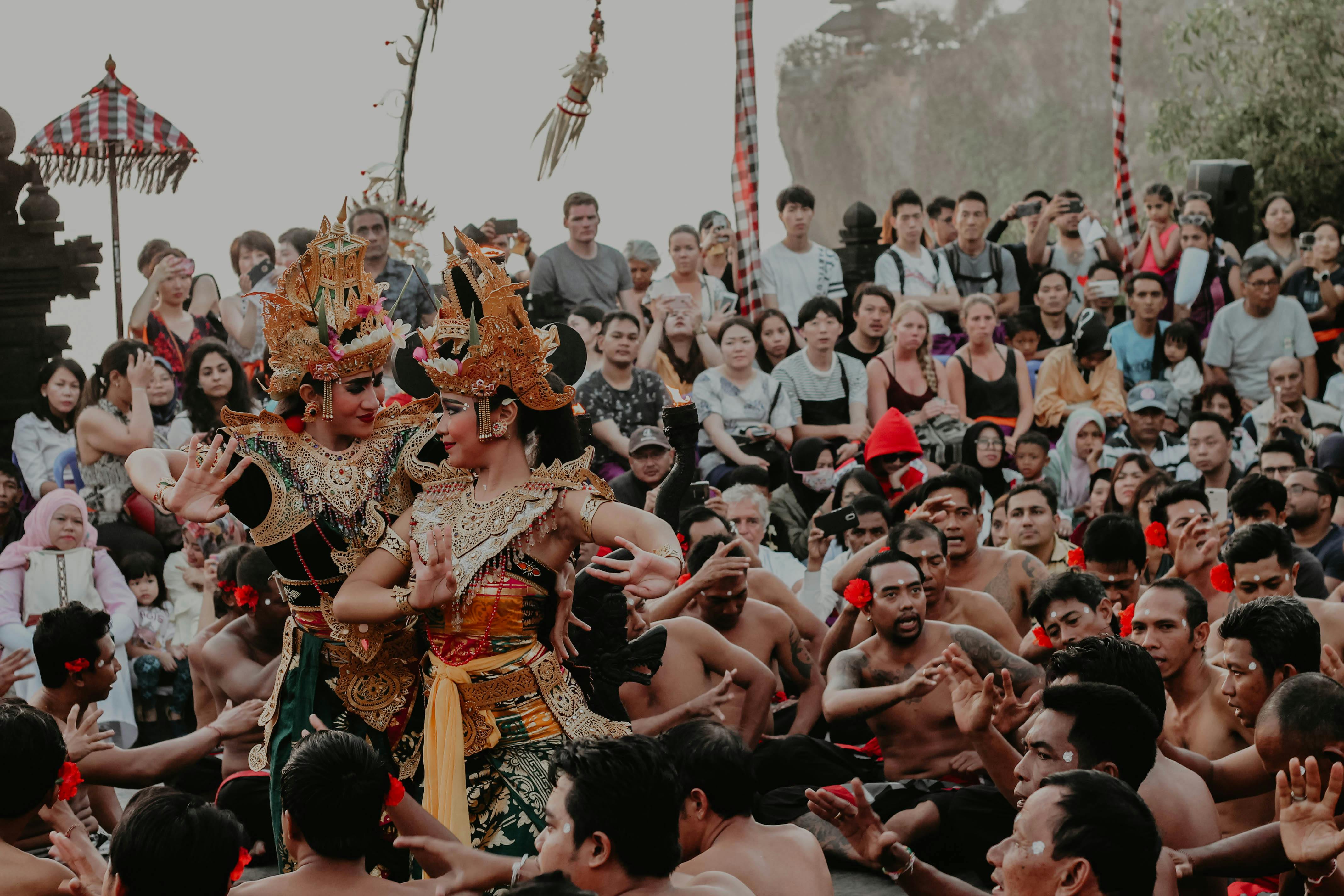
Bank Indonesia has launched the ITTP specifically to make transactions easier for the millions of visitors arriving each year, reducing the constant reliance on physical cash.

The ITTP is a comprehensive package that brings multiple services together:

  • A chip-based digital wallet linked to QRIS (Quick Response Code Indonesian Standard).
  • A SIM card with data and a local mobile number.

This system allows tourists to pay instantly by simply scanning QR codes at hotels, restaurants, shops, and tourist attractions. As Fillianingsih Hendarta, Deputy Governor of Bank Indonesia, noted, the initiative aims to strengthen Indonesia’s image as a visitor-friendly destination where “Ease of transactions is an important part of the tourism experience.”

Seamless Start: To support the rollout, a Tourism Information Centre has been opened at I Gusti Ngurah Rai International Airport. Arriving travellers can set up their digital wallet, receive assistance, and access the QRIS Nusantara Tourism Guidebook, which lists all the places that accept QRIS payments.

QRIS Payments Surge Across Bali — Even in Cultural Hubs
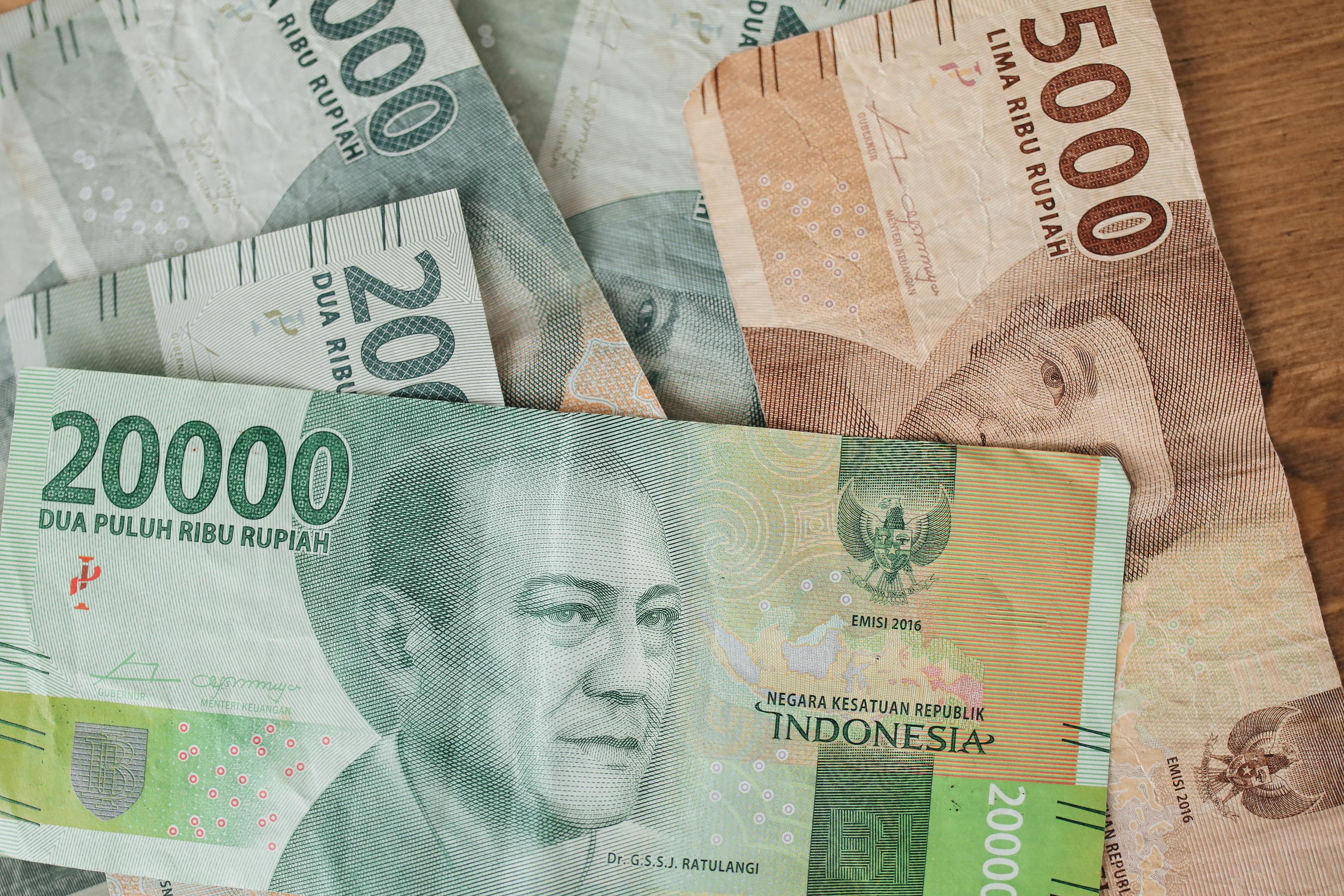
The shift towards digital payments is already accelerating. QRIS usage has risen sharply, with nearly one million merchants accepting QR-based payments during the first half of 2025. This surge is not limited to the popular coastal strips:

  • Widespread Adoption: Small rural shops, home-run kiosks, and temple stalls in cultural centres like Ubud and Penglipuran have also adopted the system, offering tourists consistency in how they spend.
  • International Access: Visitors from countries like China, Japan, and Singapore can often use their existing digital wallets through cross-border QRIS features, further expanding access for travellers from Asia.

Boosting MSMEs with Digital Transactions

A major benefit of this cashless push is the support it provides to micro, small, and medium enterprises (MSMEs), which are the foundation of Bali’s tourism chain. The move ensures improved financial inclusion and more transparent, trackable transactions.

As QR codes become standard across craft shops, independent food stalls, and local markets, MSMEs can engage more confidently and effectively with a global clientele accustomed to digital-first spending.

As one of Asia’s most visited destinations, Bali’s embrace of the ITTP and cashless systems places the island in line with modern traveller expectations, setting a new standard for a seamless, mobile-based travel experience.
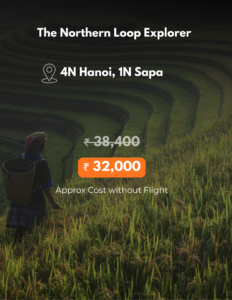
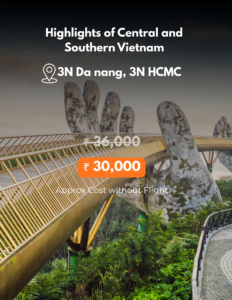
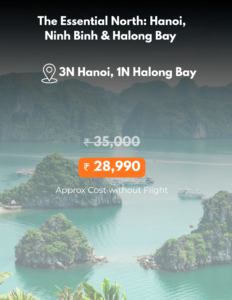
Trending Packages from Crafted Vacays

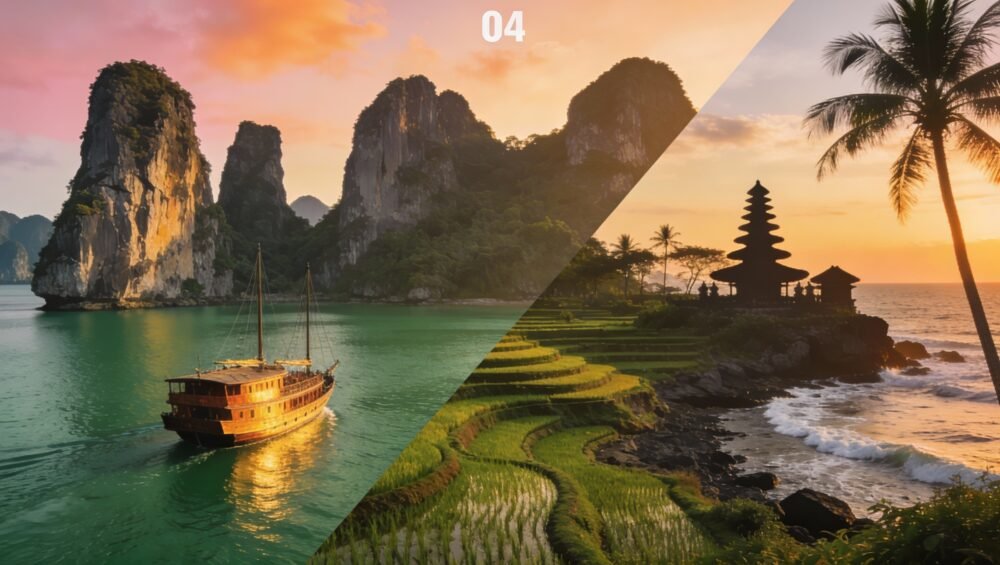
Two countries leading the 2025 tourism story

Vietnam and Indonesia are quietly becoming the power duo of Southeast Asia travel in 2025, with rising visitor numbers, new routes and a growing reputation for authentic, nature‑rich experiences. Both countries are at the heart of the region’s tourism rebound, drawing travellers who want more than just beaches and shopping streets.

Two countries leading the 2025 tourism story

Recent tourism reports show that Vietnam and Indonesia are among the strongest performers in Southeast Asia’s post‑pandemic recovery, welcoming millions of international visitors as confidence in long‑haul travel returns. [web:24][web:36] Their success is fuelled by better infrastructure, easier access and a clear focus on culture, food and nature‑based travel. 

For travellers, this means more choice, more value and more routes that make it simple to build multi‑city or even multi‑country holidays without complicated transit plans. 

Vietnam’s remarkable comeback

Vietnam’s tourism sector has bounced back strongly, with international arrivals crossing the 9‑million mark by mid‑2025 and continuing to climb. Relaxed entry rules, expanded e‑visa options and carefully promoted cultural routes have made it easier than ever to experience the country’s mix of old‑world charm and modern energy. 

Travellers are rediscovering Hanoi’s lakes and coffee culture, cruising through Ha Long–style bays, wandering lantern‑lit streets in heritage towns, and diving into the street‑food scenes of cities like Ho Chi Minh City and Da Nang. 

Vietnam feels “new” again in 2025 – familiar destinations are pairing upgraded infrastructure with more curated cultural and food experiences, making short trips feel richer and more varied than before. 
Indonesia beyond Bali

Indonesia, meanwhile, continues to attract strong visitor growth, with foreign arrivals rising at a healthy pace and reinforcing its role as a heavyweight in Southeast Asian tourism.  Bali remains the most famous name, but national tourism campaigns are increasingly nudging travellers toward cultural hubs in Java and lesser‑known islands for a deeper look at the country’s diversity. 

Volcanic landscapes, terraced rice fields, temple complexes and small coastal towns are all becoming more visible in itineraries, supported by improved infrastructure and a stronger emphasis on eco‑tourism and community‑based travel. 

New routes tightening the web of connections

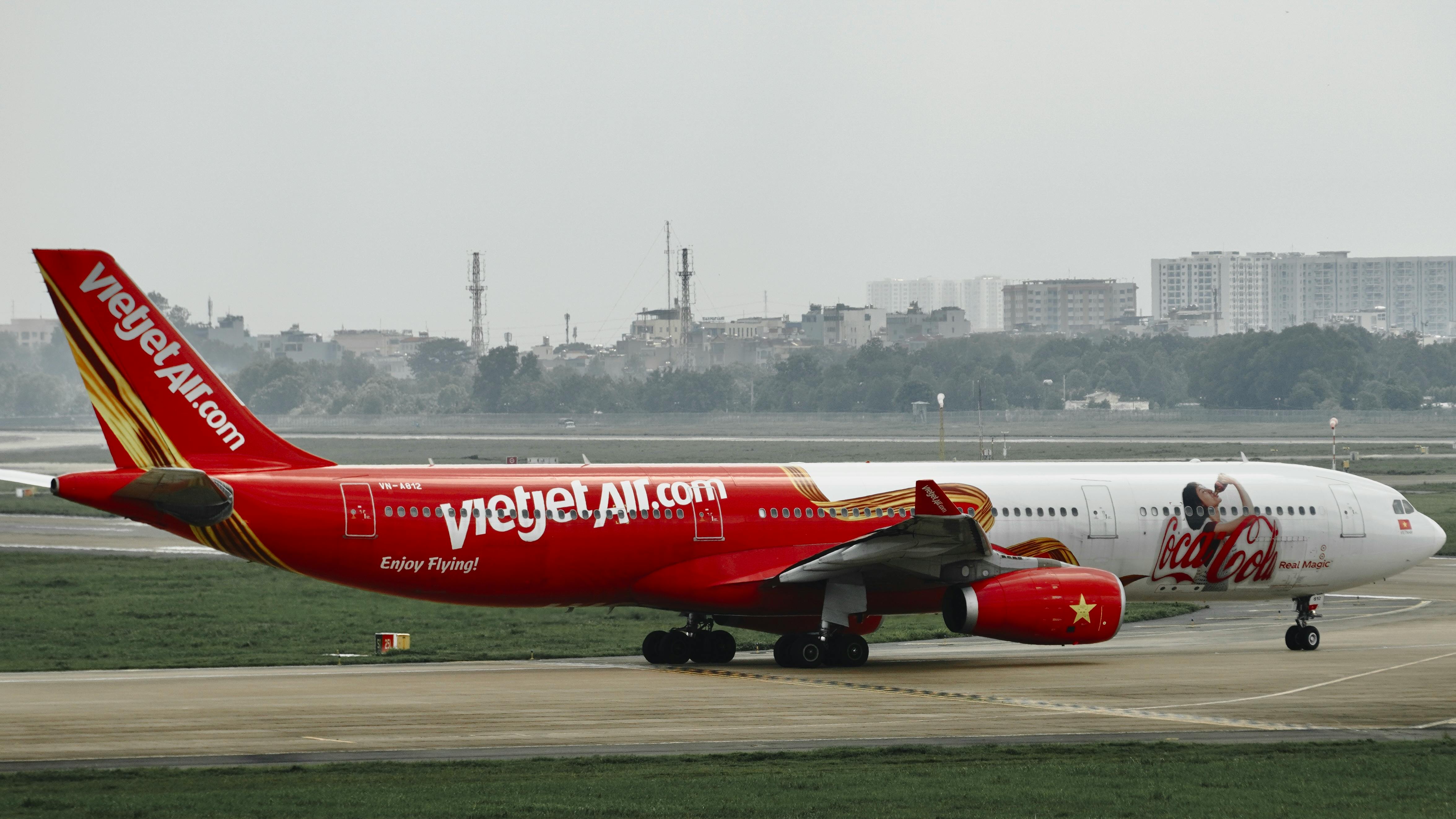
The rise of Vietnam and Indonesia is closely linked to better connectivity, with airlines adding new services to match the surge in demand. Vietnam Airlines, for example, is rolling out routes such as a direct Ho Chi Minh City–Copenhagen flight and a Hanoi–Cebu link, strengthening Vietnam’s role as a hub between Southeast Asia, Europe and the wider Asia‑Pacific region. 

For travellers, this translates into more one‑stop and nonstop options into Southeast Asia, competitive fares on popular leisure routes and easier combinations that link Vietnam’s cities and bays with Indonesia’s islands in a single holiday. 

Who should put Vietnam & Indonesia on the list?

Vietnam is ideal for travellers who like dense, high‑impact itineraries: historic quarters, dramatic bays, night markets and café culture all fit comfortably into a one‑week route.  Indonesia, on the other hand, is perfect for slow, scenic escapes with a focus on beaches, rice terraces, temples and open‑air landscapes. 

Together, they form a powerful combination for 2025: one country delivers compact cultural and food‑driven journeys, while the other provides wide‑open island scenery and resort‑style relaxation, all within a flight or two of each other. 

  • Choose Vietnam if you enjoy city walks, cafĂ©s, street food and easy access to iconic landscapes. 
  • Choose Indonesia if you want beaches, volcano views, island‑hopping and long, lazy days by the pool. 
  • Combine both if you have 9–12 days and want one trip that balances culture, food and tropical downtime. 

As airlines keep adding routes and both countries invest further in tourism infrastructure and sustainability, Vietnam and Indonesia are set to remain the standout choices for travellers looking at Southeast Asia in and beyond 2025.Â