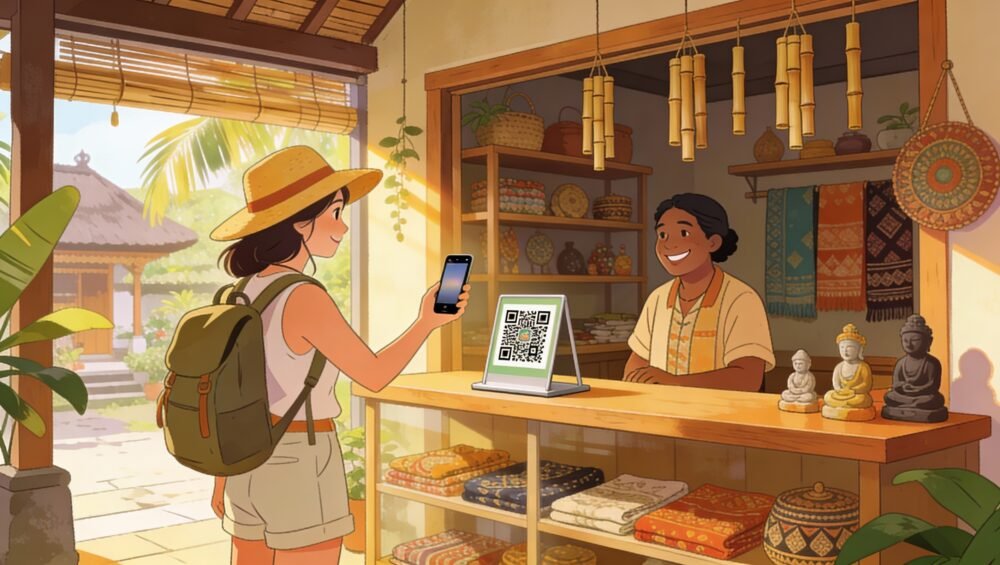
Tourist scanning QR in Bali Shop

šŸ’³ Bali Goes Cashless: International Tourists Can Now Pay Everywhere With a Single Digital Wallet

Bali introduces the new Indonesia Tourist Travel Pack (ITTP) to simplify payments for international visitors.

If you are travelling to Bali, say goodbye to hunting for currency exchange counters. International tourists can now use a single digital wallet linked to QR codes for payments at restaurants, shops, and attractions across the island.

The introduction of the new Indonesia Tourist Travel Pack (ITTP) simplifies checkouts, makes those spontaneous beach days more enjoyable, and eases your entire experience in local hubs as Bali moves deeper into digital-first travel.

Bali Introduces New Tourist Pack For Cashless Travel
Bank Indonesia has launched the ITTP specifically to make transactions easier for the millions of visitors arriving each year, reducing the constant reliance on physical cash.

The ITTP is a comprehensive package that brings multiple services together:

  • A chip-based digital wallet linked to QRIS (Quick Response Code Indonesian Standard).
  • A SIM card with data and a local mobile number.

This system allows tourists to pay instantly by simply scanning QR codes at hotels, restaurants, shops, and tourist attractions. As Fillianingsih Hendarta, Deputy Governor of Bank Indonesia, noted, the initiative aims to strengthen Indonesia’s image as a visitor-friendly destination where “Ease of transactions is an important part of the tourism experience.”

Seamless Start: To support the rollout, a Tourism Information Centre has been opened at I Gusti Ngurah Rai International Airport. Arriving travellers can set up their digital wallet, receive assistance, and access the QRIS Nusantara Tourism Guidebook, which lists all the places that accept QRIS payments.

QRIS Payments Surge Across Bali — Even in Cultural Hubs
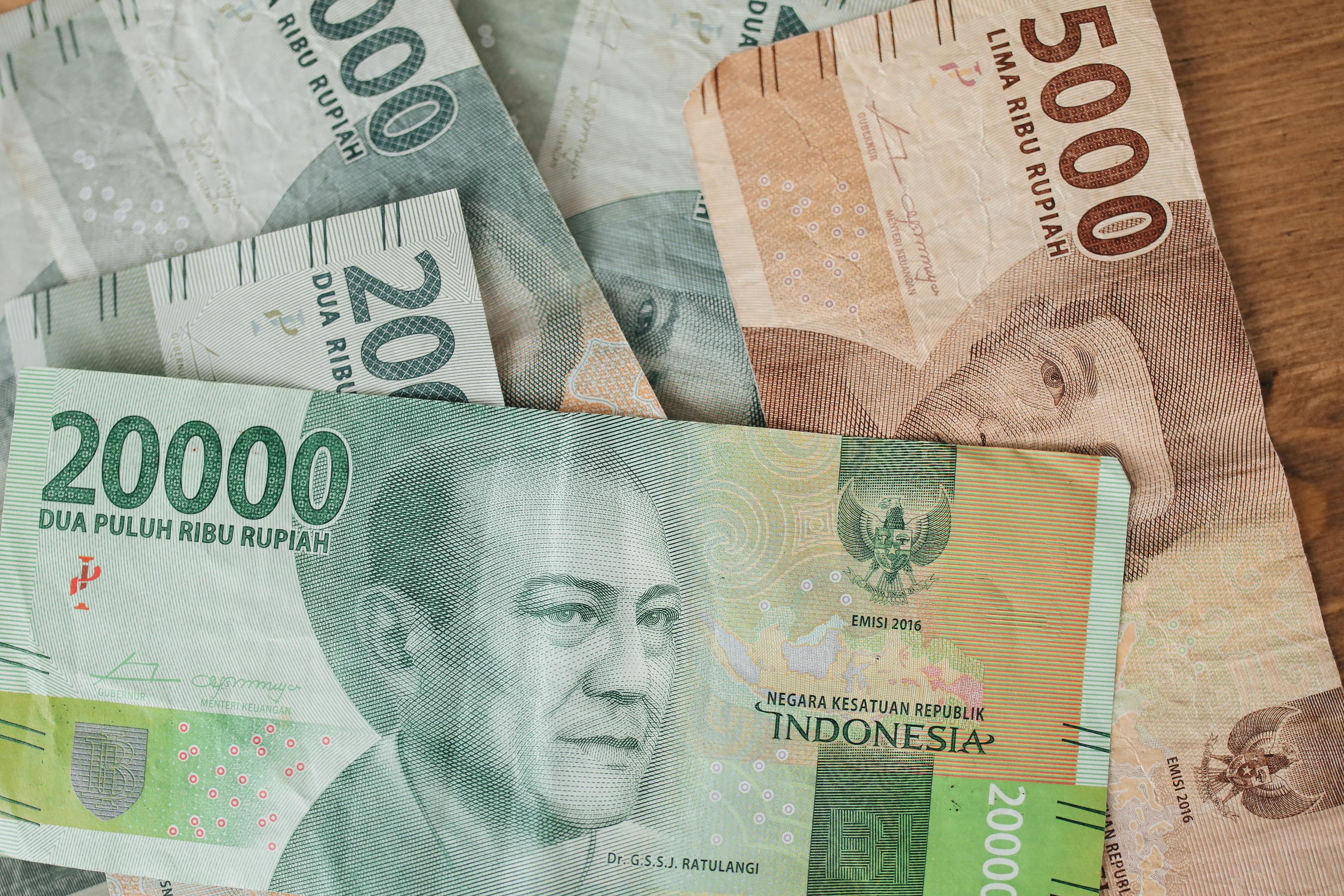
The shift towards digital payments is already accelerating. QRIS usage has risen sharply, with nearly one million merchants accepting QR-based payments during the first half of 2025. This surge is not limited to the popular coastal strips:

  • Widespread Adoption: Small rural shops, home-run kiosks, and temple stalls in cultural centres like Ubud and Penglipuran have also adopted the system, offering tourists consistency in how they spend.
  • International Access: Visitors from countries like China, Japan, and Singapore can often use their existing digital wallets through cross-border QRIS features, further expanding access for travellers from Asia.

Boosting MSMEs with Digital Transactions

A major benefit of this cashless push is the support it provides to micro, small, and medium enterprises (MSMEs), which are the foundation of Bali’s tourism chain. The move ensures improved financial inclusion and more transparent, trackable transactions.

As QR codes become standard across craft shops, independent food stalls, and local markets, MSMEs can engage more confidently and effectively with a global clientele accustomed to digital-first spending.

As one of Asia’s most visited destinations, Bali’s embrace of the ITTP and cashless systems places the island in line with modern traveller expectations, setting a new standard for a seamless, mobile-based travel experience.
Trending Packages from Crafted Vacays

Best Time to Visit Thailand: Climate Guide & Seasonal Travel Tips

Thailand is one of Southeast Asia’s most popular travel destinations, known for its tropical beaches, historic temples, vibrant cities, lush jungles and colourful festivals. While Thailand can be visited throughout the year, choosing the right season can greatly improve your travel experience. This guide explains Thailand’s weather patterns, seasonal highlights and regional differences to help you plan the perfect trip.


šŸŒ¤ļø Thailand’s Climate and Weather Overview

Thailand has a tropical climate influenced by monsoon winds. The year is generally divided into three main seasons: the cool and dry season, the hot season, and the rainy (monsoon) season. Each season offers a different travel experience depending on weather, crowd levels and costs.


ā„ļø Cool and Dry Season (November to February)

The period from November to February is widely considered the best time to visit Thailand. During these months, the weather is mostly dry, temperatures are comfortable and humidity levels are lower compared to the rest of the year. This makes it ideal for sightseeing, beach holidays, outdoor adventures and cultural exploration.

  • Weather: Pleasant daytime temperatures ranging roughly between 20°C and 30°C.
  • Best for: Beaches, city sightseeing, trekking and outdoor activities.
  • Travel tip: This is peak tourist season, so flights and hotels tend to be more expensive and should be booked in advance.

šŸ”„ Hot Season (March to May)

From March to May, Thailand experiences its hottest months. Temperatures can rise significantly, especially in inland areas and major cities. Despite the heat, this season is still popular for beach holidays and island travel, as sea conditions are generally calm and skies are mostly clear.

  • Weather: Hot and sunny, with temperatures often exceeding 30°C.
  • Best for: Beach lovers, water activities and travelers seeking fewer crowds.
  • Highlight: Songkran, the Thai New Year festival in April, brings lively water celebrations across the country.

ā˜” Rainy or Monsoon Season (June to October)

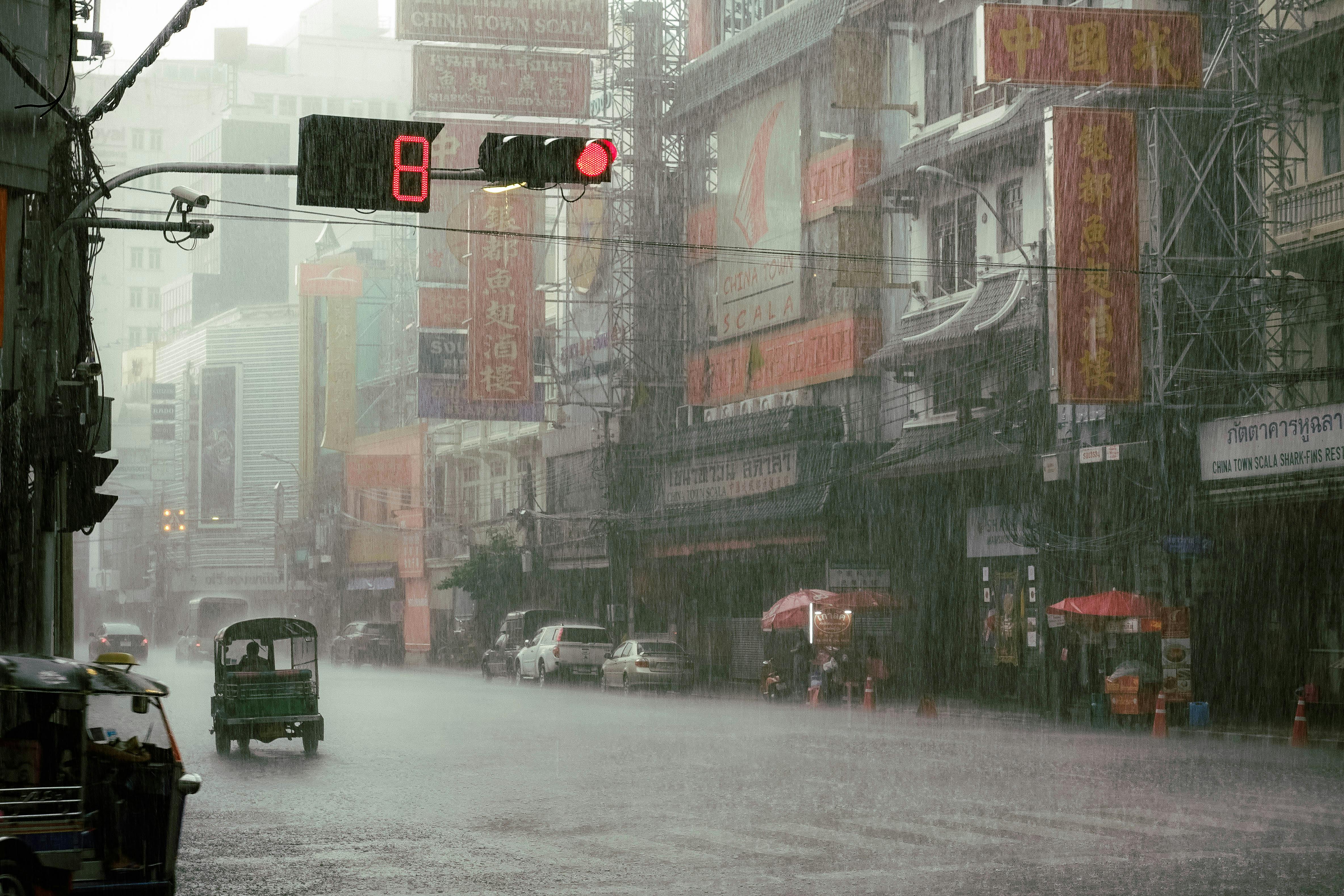
The rainy season in Thailand typically runs from June to October. Rainfall is more frequent during this time, but it usually comes in short, heavy showers rather than continuous rain throughout the day. The countryside becomes lush and green, and tourist numbers are generally lower.

  • Weather: High humidity with regular tropical rain showers.
  • Best for: Budget travelers, nature lovers and those who prefer quieter destinations.
  • Note: Some island ferry services and boat tours may be limited during periods of rough seas.

šŸ“… Best Months to Visit Thailand at a Glance

Ā 

Months Weather Ideal For
November – February Cool and dry Sightseeing, beaches, outdoor activities
March – May Hot and sunny Beach holidays, festivals
June – October Rainy / monsoon Budget travel, green landscapes

Ā 

šŸ“Regional Weather Tips

Thailand’s weather can vary by region, so it helps to plan your itinerary according to seasonal conditions.

  • Bangkok and Central Thailand: Most comfortable from November to February for city tours and cultural attractions.
  • Northern Thailand (Chiang Mai and Chiang Rai): Cooler temperatures in winter months make it ideal for trekking and outdoor exploration.
  • Andaman Coast (Phuket, Krabi): Best beach conditions usually occur between December and March.
  • Gulf Islands (Koh Samui, Koh Phangan): Often experience good weather for longer periods compared to the west coast.

šŸŽ‰ Festivals and Seasonal Experiences

Timing your visit around local festivals can add a unique cultural dimension to your trip.

  • Songkran Festival: Celebrated in April, marking the Thai New Year with nationwide water celebrations.
  • Loy Krathong: Usually held in November, featuring floating lanterns and candlelit offerings.

āœˆļø Travel Tips by Season

  • Peak season travel: Book flights and accommodation early when traveling between November and February.
  • Shoulder seasons: March to May and September to October often offer better prices with manageable weather.
  • Monsoon travel: Pack rain gear and keep plans flexible, especially for island hopping.

🌓Final Thoughts

Thailand is a year-round destination, but for most travelers, the best time to visit is between November and February when the weather is dry, temperatures are comfortable and outdoor activities are at their best. No matter when you choose to travel, careful planning based on the season will help you make the most of your Thailand experience.

Planning a trip to Thailand but not sure when to go? Thailand’s tropical climate, diverse regions and vibrant culture mean weather varies around the country. Understanding the seasons will help you avoid heavy rains, enjoy festive events, save on travel costs and choose the most comfortable months for your activities. This complete travel guide breaks down the best time to visit Thailand based on weather, crowds, events and regional differences.


Ā 

Ā 

Trending Packages from Crafted Vacays